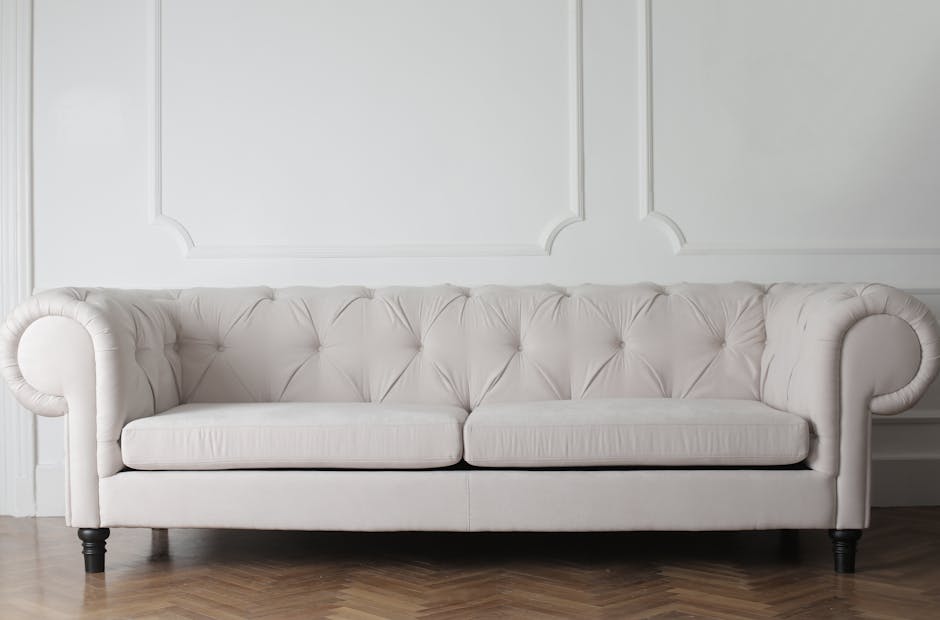
Guide to upholstery cleaning near Enfield Chase station
If your sofa has started to look tired, your dining chairs are holding onto a faint lunch smell, or the armchair by the window has picked up a patchy shadow from everyday use, you are in the right place. This guide to upholstery cleaning near Enfield Chase station breaks down what to expect, how the process works, and how to make a smart choice for your furniture and your home. It is written for people who want clean, fresh upholstery without guesswork, surprises, or a lot of unnecessary fuss.
Near a busy station, life has a way of bringing in more dust, more foot traffic, and more of the little marks that build up quietly over time. Truth be told, upholstery often gets cleaned only when it looks obviously dirty, but by then the fabric may already be holding onto grit, odours, and wear. The good news? With the right approach, you can restore appearance, improve comfort, and extend the life of your furniture without overcomplicating things.
Below, you will find clear advice on methods, benefits, timing, and what to ask before booking. There is also a practical checklist, a comparison table, and a proper FAQ section for the questions people usually ask after a quick glance at the sofa and a small sigh.
Why upholstery cleaning near Enfield Chase station matters
Upholstery does not just sit there looking nice. It collects dust, skin flakes, oils, pet hair, pollen, crumbs, and the occasional spill that seemed harmless at the time. On fabric sofas, armchairs, ottomans, and office seating, that build-up changes how the furniture looks and feels. Colours dull, fibres flatten, and odours begin to settle in. Not dramatic at first. Then one day you notice it all at once.
Near Enfield Chase station, homes and flats often deal with the usual urban mix: shoes coming in from outside, transport dust, damp coats draped over chairs, and shared living spaces where furniture gets used more intensively than people expect. That makes regular upholstery care especially worthwhile. A well-maintained sofa can brighten a room, while neglected fabric tends to make even a tidy room feel a bit off. You know the feeling.
There is also a practical side. Dirt particles can act like fine sandpaper on fibres, so allowing grime to build up can shorten the life of the fabric. If you have invested in decent furniture, cleaning it properly is a simple way to protect that investment. It is not glamorous, but it is sensible.
If you are comparing services, it can help to look at a provider's wider approach to fabric care, not just one-off stain treatments. Pages such as upholstery cleaning and sofa cleaning are useful starting points when you want to understand what is typically included and how fabric items are handled.
How upholstery cleaning near Enfield Chase station works
Professional upholstery cleaning is usually a staged process. First, the fabric is inspected. A technician will look at the type of upholstery, the weave, the colourfastness, the level of soiling, and any stains or odours. This matters because velvet, microfiber, wool blends, linen, and synthetic fabrics all react differently. One method does not fit all, despite what some quick sales pitches suggest.
Next comes dry soil removal. This step often includes vacuuming with specialist attachments to lift loose debris from seams, piping, cushions, and under the edges. That may sound basic, but it is one of the most important parts of the whole job. If grit stays in the fabric, wet cleaning can spread it around rather than remove it. Not ideal.
After that, the cleaning method is chosen. In many cases, this is hot water extraction or low-moisture cleaning, depending on the material and condition. The cleaning solution is applied carefully, agitated gently where needed, and then extracted along with the loosened soil. For delicate fabrics, a technician may use a foam or dry compound method instead. The point is to clean deeply while keeping the fabric safe.
Stain treatment may happen before or after the main clean. Some spots need targeted attention, especially coffee, food, makeup, ink, or pet-related marks. Odour treatment can also be added when the issue is not just visible staining but that lingering smell that never quite leaves the room. For those situations, stain removal and pet stain odour removal are relevant services to understand.
Drying finishes the process. Faster drying is usually better, but it should never come at the expense of thorough extraction. A good cleaner will explain expected drying times honestly, based on room temperature, ventilation, fabric type, and how heavily soiled the item was. Sometimes that is a few hours. Sometimes longer. There is no magic shortcut, annoying as that may be.
Key benefits and practical advantages
Clean upholstery offers more than a nicer-looking room. The benefits stack up in small but meaningful ways.
- Fresh appearance: colours look clearer, texture looks revived, and the whole piece feels less worn.
- Improved hygiene: regular cleaning helps remove dust, allergens, and everyday residue from fabric surfaces.
- Better odour control: spills, pets, cooking smells, and general household use can all leave fabric smelling stale over time.
- Longer furniture life: dirt and grit can damage fibres gradually, so removing them helps preserve the material.
- More comfortable living space: a clean sofa or chair simply feels better to sit on. Small thing, but it matters.
There is also a psychological benefit people do not always mention. A freshly cleaned sofa changes how a room feels. It can make a rental flat more presentable, a family living room less cluttered in appearance, and a home office more professional. In busy households, that can be surprisingly motivating. One clean item often leads to three more. It happens.
For households with children, visitors, or pets, regular maintenance can be especially helpful. The cleaning itself is only part of the story; the real advantage is reducing the stress of feeling like the furniture is always on the edge of looking shabby.
Who this is for and when it makes sense
This guide is useful if you live near Enfield Chase station and your upholstered items are starting to show age, use, or accidents. That includes sofas, accent chairs, footstools, dining chairs, headboards, and office seating. It also applies if you have just moved in and want a fresh start, or if you are getting ready for guests, a tenancy handover, or a property sale.
It makes sense to book a professional clean when:
- the fabric has visible marks or uneven shading
- the furniture smells musty, smoky, or pet-like
- spills have been left too long and home spot-cleaning has not worked
- the upholstery feels grimy even if it does not look awful
- you want regular maintenance rather than waiting for a deep clean crisis
Commercial spaces may need upholstery care too. Small waiting areas, reception seating, and staff break-room furniture can collect a lot of wear. If that sounds familiar, it may be worth looking at broader fabric-cleaning support through commercial carpet cleaning as part of a wider maintenance plan, even if upholstery is the immediate concern.
To be fair, some people only notice they need a clean when a guest comments on a mark or they sit down and get that slightly dusty feel on the fabric. No shame in that. Furniture gets used. That is what it is for.
Step-by-step guidance
If you want to understand what happens during upholstery cleaning near Enfield Chase station, here is a simple step-by-step view.
- Check the fabric label or care notes. This helps identify whether the item has any restrictions, such as water sensitivity or special fibre handling.
- Remove loose items. Cushions, throws, and small objects should be taken off the furniture before cleaning begins.
- Vacuum thoroughly. Pay attention to seams, corners, and under cushions. A good prep step makes the cleaning more effective.
- Identify stains and problem areas. Let the cleaner know what caused them if you can. Coffee and juice behave differently. So do grease and pet accidents.
- Choose the right method. The cleaner should match the process to the fabric rather than forcing one technique across everything.
- Carry out pre-treatment. Specific spots may need careful application of a stain solution or odour treatment.
- Clean and extract. The main clean removes embedded soil and residues from the fabric.
- Allow proper drying. Ventilation matters. Open a window if appropriate, and avoid sitting heavily on the item until it is ready.
- Inspect the result. Check corners, arms, and cushion faces in natural light if possible. Evening lamp light can hide things.
A quick tip here: if you are arranging a same-day event or expecting visitors, do not leave upholstery cleaning until the last minute. Even fast-drying methods need breathing room. The sofa cannot rush the laws of physics, no matter how much we might wish it could.
Expert tips for better results
Good upholstery care is mostly about doing the simple things well and avoiding preventable mistakes. That sounds obvious, but obvious advice is often the useful kind.
- Act on spills quickly. Blot, do not rub. Rubbing tends to push the stain deeper and spread it wider.
- Test any home product first. Even mild cleaners can affect colour or texture on some fabrics.
- Keep pets and shoes off key furniture where practical. Not always realistic, of course, but reducing daily wear helps.
- Rotate cushions. This spreads wear more evenly and stops one side from looking far older than the rest.
- Ventilate the room after cleaning. Gentle airflow supports drying and helps reduce lingering dampness.
- Ask about fabric-specific treatment. A professional should be able to explain why they are choosing a certain method.
One small detail people forget: lighting changes how upholstery looks. A stain you barely noticed in the morning may stand out in late afternoon by the window. It can be a bit maddening, but it also means you should inspect the furniture in different light before deciding a problem has truly been solved.
If you are booking a service, it is perfectly reasonable to ask about the company's approach to safety and handling. Trust signals matter. Pages like insurance and safety, health and safety policy, and about us can help you understand whether the business takes its responsibilities seriously.
Common mistakes to avoid
A lot of upholstery damage comes from well-meaning cleaning mistakes. The fabric usually loses that argument.
- Using too much water: over-wetting can leave rings, slow drying, and in some cases worsen odours.
- Scrubbing hard at stains: this can rough up fibres and spread the mark.
- Using the wrong chemical: bleach and harsh household sprays are risky on most upholstery.
- Skipping vacuuming first: soil left in the fabric gets turned into mud during wet cleaning.
- Ignoring fabric instructions: manufacturers' care labels exist for a reason, even if they are annoyingly small.
- Trying to dry with too much heat: direct heat can distort fibres or set certain stains.
Another mistake is assuming every stain can be removed completely. That is not always true. Some dyes permanently alter the fabric. Some burn marks, old pet stains, and oxidation spots are stubborn. A trustworthy cleaner should explain this clearly rather than promising miracles. Honesty beats hype every time.
Tools, resources and recommendations
If you are maintaining upholstery yourself between professional visits, a few simple tools make a real difference:
- a vacuum with an upholstery attachment
- soft brushes for loose dust and lint
- clean white microfibre cloths for blotting spills
- plain water for initial blotting, used carefully
- a fabric-safe cleaning product, only if the care label allows it
For deeper maintenance, a professional upholstery cleaning service is usually the better route. It is especially useful for larger pieces, delicate fabrics, or furniture that has absorbed years of everyday use. If your room also needs broader fabric care, it can be practical to combine services such as rug cleaning, curtain cleaning, or even carpet cleaning so the whole space feels consistently fresh.
Pricing should be discussed in a straightforward way. If you want a sense of how quotes are usually handled, the pricing and quotes page is the kind of place readers usually look first. And if you are concerned about how payment information is handled, payment and security is worth checking before you book anything.
One more thing: sustainability matters to many households now. If that is part of your decision, a business's recycling and sustainability approach can give you a better sense of how waste and product use are handled. That is not a side issue anymore, really.
Law, compliance, standards and best practice
Upholstery cleaning is not heavily regulated in the way some trades are, but there are still important UK best practices to keep in mind. A professional cleaner should work in a way that is safe for the customer, the property, and the fabric itself. That means sensible chemical use, care around electrics and water, and clear communication when a material is delicate or at risk.
If a business is operating properly, you would normally expect it to have public-facing information about safety, complaints, terms, privacy, and payment handling. That does not guarantee perfect service, obviously, but it is a useful trust signal. The same goes for clear policies on accessibility and customer issues. Those pages show whether the business takes transparency seriously.
It is also best practice for cleaners to set realistic expectations. Not every mark can be removed. Not every fabric can be wet cleaned. A responsible technician will say so rather than overpromise. That kind of honesty protects both sides, and it is the sort of thing you only really appreciate after a few disappointing experiences with vague providers.
For readers who want to understand the wider service structure, pages such as terms and conditions, privacy policy, and complaints procedure can be useful references before booking. They help set the tone for a professional relationship.
Options, methods and comparison
Different upholstery cleaning methods suit different fabrics and situations. Here is a simple comparison to help you think it through.
| Method | Best for | Advantages | Watch-outs |
|---|---|---|---|
| Hot water extraction | Durable fabric upholstery with general soiling | Deep cleaning, strong soil removal, good for heavily used items | May need longer drying time and is not suitable for every fabric |
| Low-moisture cleaning | Mixed-use furniture and situations where quicker drying helps | Less water, often faster turnaround, useful in busy homes | May be less suited to severe deep-down contamination |
| Foam or dry compound cleaning | Delicate or moisture-sensitive fabrics | Gentler on some textiles, lower risk of over-wetting | May not be enough for very heavy staining |
| Spot treatment only | Small isolated marks | Quick and targeted | Usually not a full solution for overall dullness or odours |
The right choice depends on the fabric, the condition of the item, and how the furniture is used day to day. A good cleaner will ask questions rather than simply quoting a one-size-fits-all approach. That is usually a sign they know what they are doing.
Case study or real-world example
Imagine a family living a short walk from Enfield Chase station. Their three-seater sofa has seen school bags, takeaway nights, and one memorable incident involving juice and a sleepy child who missed the cup entirely. The sofa still looked usable, but the arms were dull, the seat cushions looked uneven, and there was a faint stale smell that became more obvious in the evening.
Before booking, they vacuumed carefully, removed throws, and noted the worst areas. During the assessment, the cleaner identified the fabric as suitable for a low-moisture clean with targeted stain treatment rather than heavy soaking. The arms received focused pre-treatment, the seat faces were cleaned methodically, and the cushions were extracted carefully to control drying time.
The result was not brand new furniture. That would be unrealistic. But the sofa looked brighter, the odd grey cast had lifted, and the room felt cleaner as soon as they walked in. The main improvement, interestingly, was not just visual. The family said the stale smell had gone, and sitting on the sofa no longer felt like settling into old air. Small win, big difference.
That kind of outcome is common when the cleaning method matches the fabric and the client does the prep properly. It is not magic. Just good judgement, a bit of patience, and the right process.
Practical checklist
Use this quick checklist before and after booking upholstery cleaning near Enfield Chase station.
- Identify the furniture pieces you want cleaned.
- Check any care labels or manufacturer instructions.
- Note stains, odours, and problem areas.
- Decide whether you need sofa-only cleaning or a broader fabric refresh.
- Ask what cleaning method is being used and why.
- Confirm drying expectations before the appointment.
- Ask about insurance, safety, and how delicate fabrics are handled.
- Move small items, breakables, and loose cushions out of the way.
- Ventilate the room after cleaning if appropriate.
- Inspect the result in daylight once the item is dry enough to check properly.
Expert summary: the best upholstery cleaning is the kind that respects the fabric, removes deep soil without over-wetting, and leaves you with a cleaner room that still feels like your home. Simple as that, really.
Conclusion
Guide to upholstery cleaning near Enfield Chase station is really about making a sensible choice for furniture you use every day. Clean upholstery looks better, smells fresher, lasts longer, and makes the whole room feel more put together. If you live in a busy household, manage a rental, or simply want to look after a piece of furniture you like, regular cleaning is one of those quiet decisions that pays off in the background.
Focus on the fabric, choose the right method, ask clear questions, and do not rush the drying. That alone will save a lot of frustration. And if you are weighing up providers, a mix of service detail, trust signals, and transparent policies usually tells you plenty.
Get a free quote today and see how much you can save.
There is a calm kind of satisfaction in sitting down on a freshly cleaned sofa at the end of the day, kettle on, lights low, and the room just feeling a bit easier to live in. That is often the real goal.
Frequently Asked Questions
How often should upholstery be professionally cleaned?
For most homes, a professional clean every 12 to 24 months is a reasonable starting point, though busy households, pet owners, and light-coloured fabrics may need it more often. If the furniture is heavily used or is in a reception-style setting, more frequent maintenance may make sense.
Can all upholstery fabrics be wet cleaned?
No. Some fabrics can tolerate wet cleaning well, while others need low-moisture or dry methods. Delicate fibres and certain dye finishes can react badly to too much water, so the fabric type should always be checked first.
Will upholstery cleaning remove every stain?
Not always. Fresh stains usually respond better than old ones, but some marks are permanent or have chemically altered the fabric. A trustworthy cleaner should explain what is realistic before starting.
How long does upholstery take to dry?
Drying time varies by fabric, room temperature, airflow, and how much moisture was used. Some items may dry in a few hours, while others need longer. Good ventilation usually helps, but forcing the process with heat is not a great idea.
Is upholstery cleaning safe for children and pets?
It can be, provided the right products and methods are used and the item is allowed to dry properly before use. If pets are particularly sensitive or children are very young, it is sensible to keep them away from the area until the furniture is fully ready.
What should I do before the cleaner arrives?
Clear cushions, small items, and clutter from the furniture, vacuum if you can, and point out any stains or problem spots. A few minutes of preparation makes a real difference to the result.
Do I need sofa cleaning if I only have one visible mark?
If the mark is small and recent, spot treatment may be enough. If the rest of the sofa is dull, odorous, or uneven in colour, a full upholstery clean is often the better long-term choice.
How do I know if a cleaner is trustworthy?
Look for clear service information, transparent pricing, sensible safety details, and straightforward policies. Pages such as about us and insurance and safety can help you judge that quickly.
Can upholstery cleaning help with pet smells?
Yes, often it can. Pet odours can cling to fabric fibres and padding, so a deeper clean and targeted odour treatment may help significantly. The exact outcome depends on how long the smell has been present and how deeply it has penetrated.
Is it worth cleaning older furniture?
Very often, yes. If the frame is sound and the fabric is still in decent condition, cleaning can make an older piece look far more presentable and give it a few more good years. Sometimes it is the simplest way to avoid replacing furniture too soon.
What if I need more than upholstery cleaning?
If the whole room needs a refresh, it can be useful to combine upholstery care with carpet cleaning, curtain cleaning, or rug cleaning. That creates a more even result across the room rather than cleaning one item in isolation.
How much should I expect to pay?
Prices vary by item size, fabric type, soil level, and the method needed. The best approach is to request a written quote and compare what is actually included, rather than focusing only on the headline number. It keeps surprises to a minimum, which is always nice.
Where can I ask about booking and service details?
For service details, availability, or a tailored quote, the most direct next step is to reach out through the business's contact information and service pages. If you want a broader view of how bookings are handled, the pricing and quotes page is a useful place to start.